
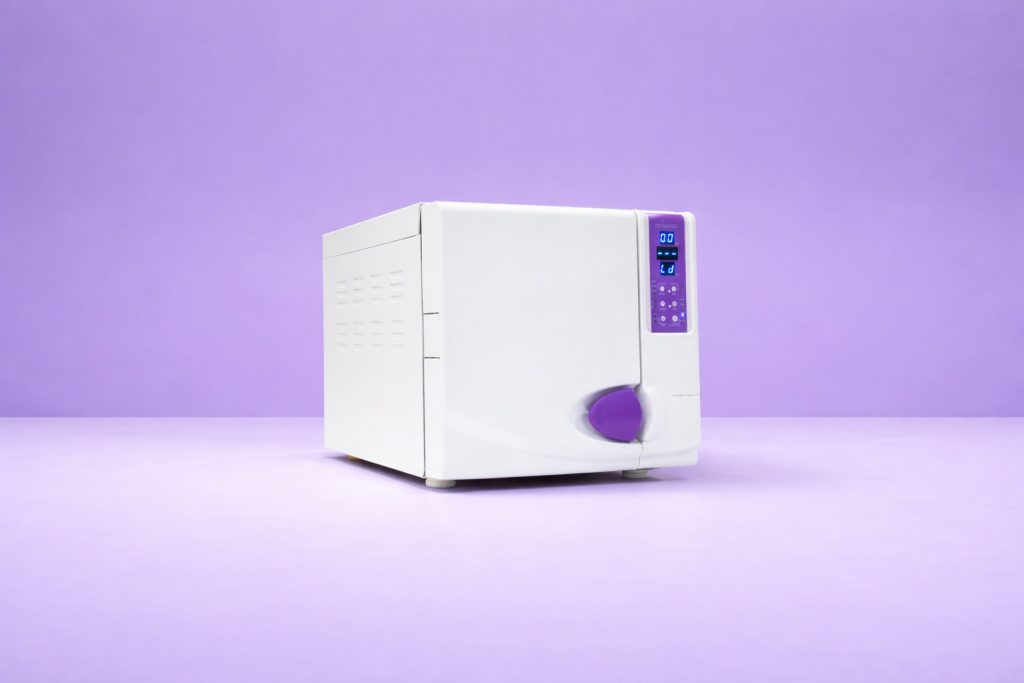
Why Dental Clinics Use Class B Autoclaves
Sterilisation is one of the most important parts of infection control within a dental clinic. Dental instruments are used repeatedly throughout the day and must be thoroughly sterilised between patients to help maintain hygiene standards and reduce the risk of contamination.
Because of this, many dental practices choose Class B autoclaves as part of their sterilisation process. These autoclaves are specifically designed to handle the types of instruments commonly used in dental environments, including hollow, wrapped and more complex items.
Understanding why Class B autoclaves are widely used can help clinics choose the right equipment for their daily workflow and compliance requirements.
What Is a Class B Autoclave?
A Class B autoclave is a steam steriliser that uses vacuum technology to remove air from the chamber before sterilisation begins.
This vacuum process allows steam to penetrate instruments more effectively, including hollow instruments and items packaged within sterilisation pouches.
Class B autoclaves are commonly used in:
- Dental clinics
- Podiatry practices
- Veterinary clinics
- Beauty and aesthetic clinics
- Tattoo studios
They are considered one of the most versatile and effective types of tabletop autoclaves available for clinical use.
Why Dental Clinics Need Reliable Sterilisation
Dental instruments are regularly exposed to saliva, blood and bacteria during procedures. Proper sterilisation helps ensure instruments are safe to reuse and supports compliance with infection control standards.
Modern dental clinics often process:
- Handpieces
- Scalers
- Forceps
- Mirrors
- Hollow instruments
- Wrapped instrument packs
These items require thorough steam penetration to ensure complete sterilisation.
The Benefits of Class B Autoclaves for Dental Practices
Suitable for Hollow Instruments
One of the biggest advantages of Class B autoclaves is their ability to sterilise hollow instruments effectively.
Dental handpieces and similar tools contain internal spaces that are more difficult to sterilise using basic steam systems. Vacuum-assisted sterilisation improves steam penetration into these areas.
Compatible with Wrapped Instruments
Many dental clinics sterilise instruments in sealed pouches so they remain sterile until needed.
Class B autoclaves are designed to process wrapped instruments safely and effectively, helping maintain sterility after the cycle is complete.
Improved Infection Control
Effective sterilisation supports overall infection control within the clinic. Using equipment designed for clinical-grade sterilisation reduces the risk of incomplete processing and contamination.
Combined with ultrasonic cleaning and correct instrument handling, a Class B autoclave helps create a safer environment for patients and staff.
Better Workflow Efficiency
Busy dental clinics often run multiple sterilisation cycles throughout the day. Modern Class B autoclaves are designed to support efficient workflows with programmable cycles and reliable performance.
This helps practices maintain instrument availability during busy appointment schedules.
Suitable for a Wide Range of Instruments
Class B autoclaves can process:
- Solid instruments
- Hollow instruments
- Wrapped instruments
- Unwrapped instruments
This flexibility makes them suitable for clinics with varied treatment requirements.
Class B vs Other Autoclave Types
While other autoclave classes exist, Class B units are often preferred in dental settings because of their versatility and vacuum technology.
Basic sterilisers may not always be suitable for hollow or wrapped instruments, which are common within dental practices.
Clinics looking for guidance on selecting the right sterilisation equipment can also read our article on what is the best autoclave for a dental clinic.
Supporting Equipment for Dental Sterilisation
Autoclaves work best as part of a complete sterilisation workflow. Many clinics also use:
- Ultrasonic cleaners
- Sterilisation pouches
- Distilled water systems
- Instrument trays
- Medical trolleys
Having a clear clean-to-dirty workflow helps improve organisation and reduce contamination risks.
Conclusion
Class B autoclaves are widely used in dental clinics because they provide reliable sterilisation for hollow, wrapped and complex instruments commonly used in modern dentistry.
Their vacuum technology, flexibility and suitability for clinical environments make them an important part of effective infection control and day-to-day workflow management.
For busy practices looking to maintain high hygiene standards, Class B autoclaves remain one of the most trusted sterilisation solutions available.
FAQs
Why are Class B autoclaves used in dental clinics?
They are designed to sterilise hollow, wrapped and complex instruments commonly used in dentistry.
Can Class B autoclaves sterilise dental handpieces?
Yes, they are suitable for hollow instruments such as dental handpieces due to their vacuum sterilisation process.
Are Class B autoclaves suitable for wrapped instruments?
Yes, they are specifically designed to sterilise wrapped and pouched instruments effectively.
Do dental clinics legally need a Class B autoclave?
Requirements vary depending on instrument types and clinic procedures, but many dental practices choose Class B units because of their versatility and suitability for clinical use.
What other equipment is used alongside a dental autoclave?
Many clinics also use ultrasonic cleaners, sterilisation pouches and distilled water systems as part of their sterilisation workflow.