
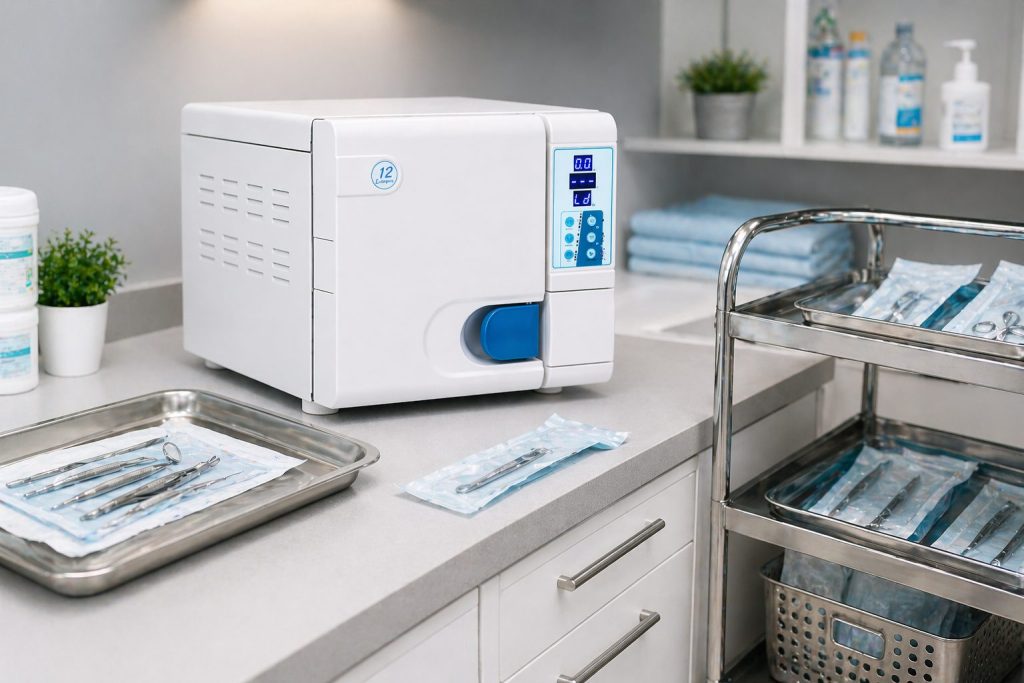
Common Mistakes Clinics Make with Sterilisation Equipment
Sterilisation equipment plays a vital role in maintaining hygiene, safety and compliance across dental clinics, beauty salons, podiatry practices and veterinary settings. However, even with the right equipment in place, mistakes in how it is used, handled or managed can reduce effectiveness and increase the risk of cross-contamination.
Understanding these common mistakes can help improve your processes, protect patients and ensure your clinic meets required standards.
Skipping Proper Pre-Cleaning
One of the most common issues is placing instruments straight into an autoclave without proper pre-cleaning. Sterilisation is only effective when instruments are free from visible debris.
Ultrasonic cleaners are designed to remove fine particles from hard-to-reach areas, but they must be used correctly and consistently. Skipping this stage can result in incomplete sterilisation and potential contamination risks.
Overloading the Autoclave
Trying to process too many instruments in one cycle is another frequent mistake. Overloading prevents proper steam circulation, meaning items may not be fully sterilised.
Each autoclave has specific loading guidelines, and following them is essential to ensure every instrument reaches the required temperature and pressure for effective sterilisation.
Incorrect Use of Sterilisation Pouches
Sterilisation pouches must be used correctly to maintain sterility after the cycle is complete. Common issues include:
- Using the wrong size pouch
- Sealing incorrectly
- Placing too many instruments in one pouch
These mistakes can compromise the entire process and lead to failed sterilisation cycles.
Poor Storage After Sterilisation
Sterilised instruments need to be stored in a clean, dry environment. Leaving them exposed or placing them in unsuitable storage areas increases the risk of contamination before use.
Clear organisation and designated storage areas help maintain sterility and make it easier for staff to access the correct instruments when needed.
Not Maintaining Equipment Regularly
Autoclaves and ultrasonic cleaners require regular servicing to perform effectively. Ignoring maintenance can lead to inconsistent results, breakdowns and costly downtime.
Routine checks, servicing and validation are essential for compliance and long-term reliability.
Inconsistent Staff Training
Even with high-quality equipment, poor staff training can lead to inconsistent processes. Every team member should understand the correct procedures for cleaning, sterilising and handling instruments.
Standardised protocols help ensure that best practices are followed at all times.
Improper Handling and Transport of Instruments
This is often overlooked but can have a significant impact. Moving instruments between cleaning, sterilisation and storage stages without a clear system can lead to cross contamination.
Using dedicated solutions such as medical trolleys helps maintain separation between clean and contaminated items while improving organisation and workflow. Having a structured way to transport instruments reduces handling errors and supports infection control throughout the clinic.
Ignoring Workflow Layout
A poorly designed workspace can lead to inefficiencies and mistakes. If equipment is not positioned logically, staff may take shortcuts that compromise hygiene standards.
A clear workflow, from dirty to clean, supported by the right equipment and layout, makes processes easier to follow and reduces the risk of errors.
Conclusion
Sterilisation is not just about having the right equipment; it is about using it correctly within a well-organised system. Avoiding these common mistakes can improve efficiency, maintain compliance and protect both patients and staff.
Small improvements in workflow, handling and organisation can make a significant difference to overall infection control standards.
FAQs
What is the most common sterilisation mistake in clinics?
Skipping proper pre-cleaning is one of the most common issues, as it prevents effective sterilisation of instruments.
How often should sterilisation equipment be serviced?
This depends on the manufacturer, but regular servicing and validation checks are essential to ensure safe and consistent performance.
Why is instrument handling important after sterilisation?
Incorrect handling can reintroduce contamination, making the sterilisation process ineffective.
Do medical trolleys help with infection control?
Yes, they help safely transport instruments between stages, reducing cross-contamination risks and improving organisation.