
Do Dental Clinics Need Class B Sterilisers?
Sterilisation is one of the most important parts of infection control within any dental clinic. Dental instruments are used repeatedly throughout the day and must be cleaned and sterilised correctly between patients to help maintain safe hygiene standards.
As dental sterilisation requirements have evolved, Class B sterilisers have become one of the most widely used solutions in modern dental practices. But do dental clinics actually need a Class B steriliser, and why are they so commonly recommended?
Understanding how these systems work can help clinics choose the right sterilisation equipment for their workflow, compliance requirements and daily instrument processing needs.
What Is a Class B Steriliser?
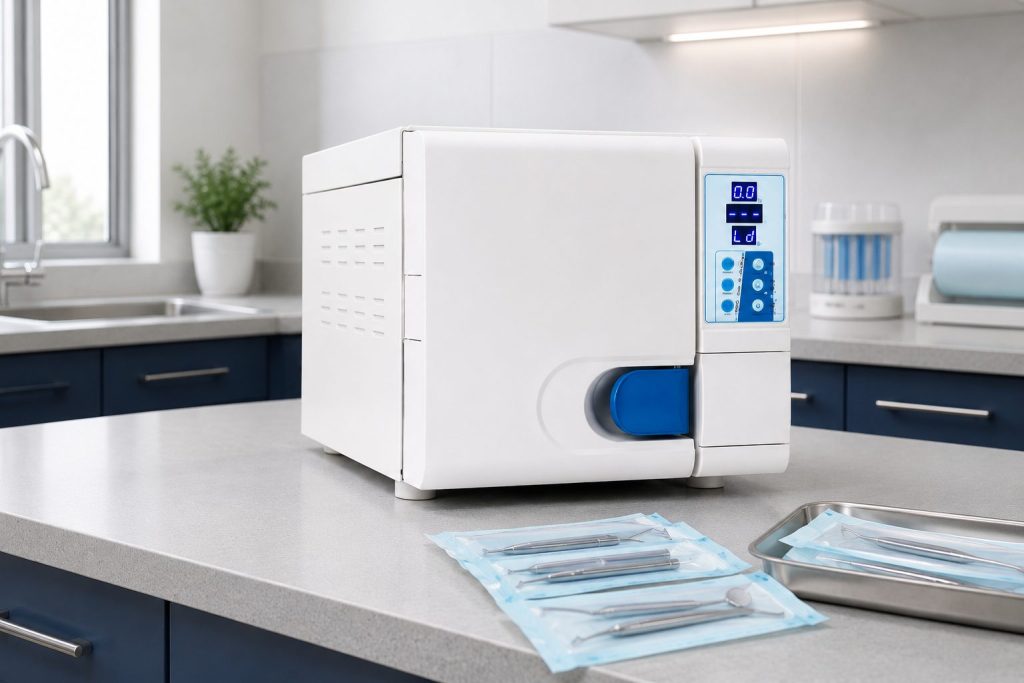
A Class B steriliser is a type of steam autoclave that uses vacuum technology to remove air from the chamber before sterilisation begins.
This process allows steam to penetrate instruments more effectively, including:
- Hollow instruments
- Wrapped instruments
- Complex dental tools
- Instruments with internal channels
Because dental clinics regularly use these types of instruments, Class B sterilisers are often considered the most suitable option for dental sterilisation.
Why Dental Clinics Commonly Use Class B Sterilisers
Dental instruments are exposed to saliva, blood and bacteria during treatments. Effective sterilisation is essential to reduce contamination risks and maintain proper infection control procedures.
Many dental practices choose Class B sterilisers because they are designed to process a wider range of instruments safely and consistently.
Suitable for Hollow Dental Instruments
One of the biggest reasons clinics use Class B sterilisers is their ability to sterilise hollow instruments effectively.
Dental handpieces and similar tools contain internal spaces that basic steam systems may struggle to sterilise properly. Vacuum-assisted steam penetration helps ensure these areas are reached during the cycle.
Suitable for Wrapped Instruments
Dental clinics often sterilise instruments in pouches so they remain sterile until required for treatment.
Class B sterilisers are designed to process wrapped instruments safely, helping clinics maintain organised and hygienic instrument workflows.
Improved Infection Control
Class B sterilisers support a more reliable sterilisation process, particularly in busy clinics where multiple cycles are run each day.
Combined with ultrasonic cleaners, sterilisation pouches and structured workflows, they help clinics improve overall infection control standards.
Better Flexibility
Class B sterilisers can process:
- Wrapped instruments
- Unwrapped instruments
- Hollow instruments
- Solid instruments
This flexibility makes them suitable for a wide range of dental procedures and instrument types.
Are Other Types of Sterilisers Used?
Some smaller or older sterilisation systems may still be used in certain environments, but they are often more limited in the types of instruments they can process effectively.
Modern dental clinics increasingly favour Class B systems because they provide greater versatility and support for more advanced sterilisation requirements.
For practices comparing equipment options, our guide to the best autoclave for a dental clinic explains what to look for when choosing a suitable steriliser.
Supporting Equipment in Dental Sterilisation Rooms
Sterilisation is most effective when supported by a complete workflow. Many clinics also use:
- Ultrasonic cleaners
- Self seal sterilisation pouches
- Distilled water systems
- Medical trolleys
- Instrument trays
These systems help improve organisation and support clean-to-dirty workflows throughout the clinic.
Why Patients Notice Sterilisation Standards More Than Ever
Patients today are increasingly aware of hygiene and infection control within healthcare environments.
Visible sterilisation procedures, sealed instrument pouches and professional sterilisation equipment can all help improve patient reassurance and confidence.
Modern sterilisation systems are not only important for compliance, they also contribute to the professional image of the clinic.
Choosing the Right Dental Steriliser
When selecting a steriliser, clinics should consider:
- Instrument types
- Daily instrument volume
- Cycle times
- Available space
- Ease of use
- Servicing and maintenance
Choosing the right system helps improve workflow efficiency and ensures instruments are available when needed throughout the day.
Conclusion
Class B sterilisers have become a popular choice in dental clinics because they are designed to process the hollow and wrapped instruments commonly used in modern dentistry.
Their vacuum-assisted sterilisation process helps support effective infection control, organised workflows and reliable instrument processing.
For busy dental practices looking to maintain high hygiene standards and efficient daily operations, Class B sterilisers remain one of the most trusted sterilisation solutions available.
FAQs
What is a Class B steriliser?
A Class B steriliser is a steam autoclave that uses vacuum technology to improve steam penetration during sterilisation.
Why do dental clinics use Class B sterilisers?
They are suitable for hollow and wrapped dental instruments commonly used in modern dental practices.
Can Class B sterilisers process dental handpieces?
Yes, they are designed to sterilise hollow instruments such as dental handpieces effectively.
Are Class B sterilisers better for infection control?
They help provide more reliable sterilisation for complex instruments and support structured infection control procedures.
What other equipment is used alongside dental sterilisers?
Dental clinics often use ultrasonic cleaners, sterilisation pouches and distilled water systems as part of the sterilisation process.