
How Water Quality Affects Sterilisation Equipment Performance
Sterilisation equipment is a critical part of healthcare operations, yet one of the most overlooked factors affecting performance is water quality.
Autoclaves and related equipment rely on clean, consistent water to function effectively. Poor water quality can quietly reduce efficiency, increase maintenance costs, and shorten the lifespan of expensive machinery.
For healthcare providers and facilities managers, understanding the role of water treatment is essential for maintaining reliable, compliant sterilisation processes.
The Challenge
Many healthcare environments assume that standard tap water is sufficient for sterilisation equipment. In reality, untreated water often contains minerals, impurities, and contaminants that can cause long-term issues.
Common problems include:
- Limescale build-up affecting internal components
- Reduced heating efficiency and longer cycle times
- Blockages within pipes and valves
- Increased wear and tear leading to costly repairs
These issues may develop gradually, but they can significantly impact performance and reliability over time.
Why Water Quality Matters
Equipment Performance
Sterilisation equipment depends on precise temperature and pressure control. Mineral deposits from poor-quality water can interfere with heating elements and sensors, reducing accuracy and consistency.
Compliance and Standards
Healthcare environments must meet strict hygiene and sterilisation standards. Inconsistent performance caused by poor water quality can lead to failed validation tests or compliance concerns.
Longevity of Equipment
Autoclaves and other sterilisation systems represent a significant investment. Without proper water treatment, internal components degrade more quickly, reducing the usable lifespan of the equipment.
Operational Costs
What appears to be a small issue can become expensive:
- More frequent servicing
- Increased downtime
- Higher energy consumption
- Premature replacement of parts
Water Treatment Solutions
To maintain consistent performance, many healthcare providers implement dedicated water treatment systems alongside their sterilisation equipment.
Typical solutions include:
- Reverse osmosis systems to remove dissolved minerals
- Deionisation units for ultra-pure water
- Filtration systems to remove particulates and contaminants
These systems help ensure that only high-quality water enters sterilisation equipment, protecting internal components and maintaining efficiency.
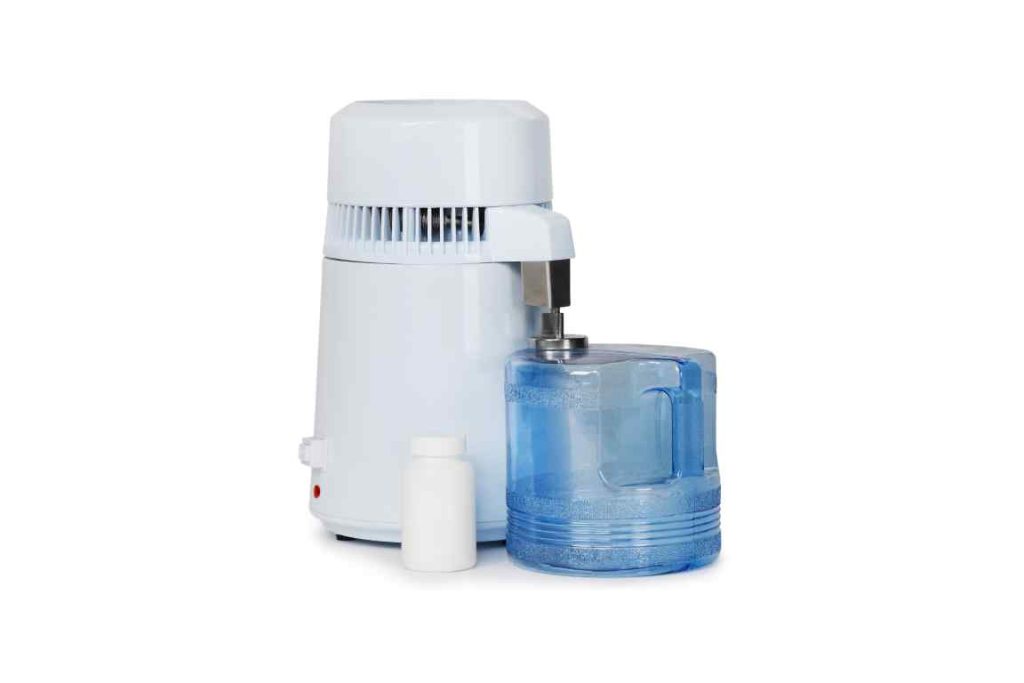
Excel Healthcare supplies water treatment devices designed specifically for healthcare and clinical environments, supporting reliable and compliant operation.
Operational Impact
Reduced Downtime
Cleaner water reduces the likelihood of internal faults, helping equipment run consistently without interruption.
Improved Efficiency
Well-maintained systems heat more effectively, reducing cycle times and energy usage.
Lower Maintenance Costs
Preventing scale and contamination reduces the need for repairs and part replacements.
Consistent Sterilisation Results
Reliable performance supports consistent outcomes, which is essential for both patient safety and regulatory compliance.
Practical Tips for Healthcare Facilities
To manage water quality effectively:
- Check manufacturer guidelines for water requirements
- Monitor equipment for early signs of scaling or inefficiency
- Schedule regular maintenance and inspections
- Avoid using untreated tap water where purified water is recommended
- Consider installing a dedicated water treatment system for long-term reliability
These steps can significantly improve both performance and cost control.
Conclusion
Water quality is often overlooked, but it plays a critical role in the performance and longevity of sterilisation equipment.
By investing in proper water treatment and understanding how it impacts operations, healthcare providers can reduce costs, improve efficiency, and maintain compliance.
Excel Healthcare supports facilities with reliable water treatment solutions designed to protect equipment and ensure consistent sterilisation performance.