
Ultrasonic Cleaners vs Manual Cleaning: What’s the Difference?
Cleaning instruments properly before sterilisation is a crucial step in any infection control process. Whether you work in a dental clinic, beauty salon, tattoo studio or podiatry practice, how you clean your tools directly affects the success of sterilisation.
Two common approaches are manual cleaning and ultrasonic cleaning. Their suitability depends on the instruments, the manufacturer’s instructions and the cleaning process used.
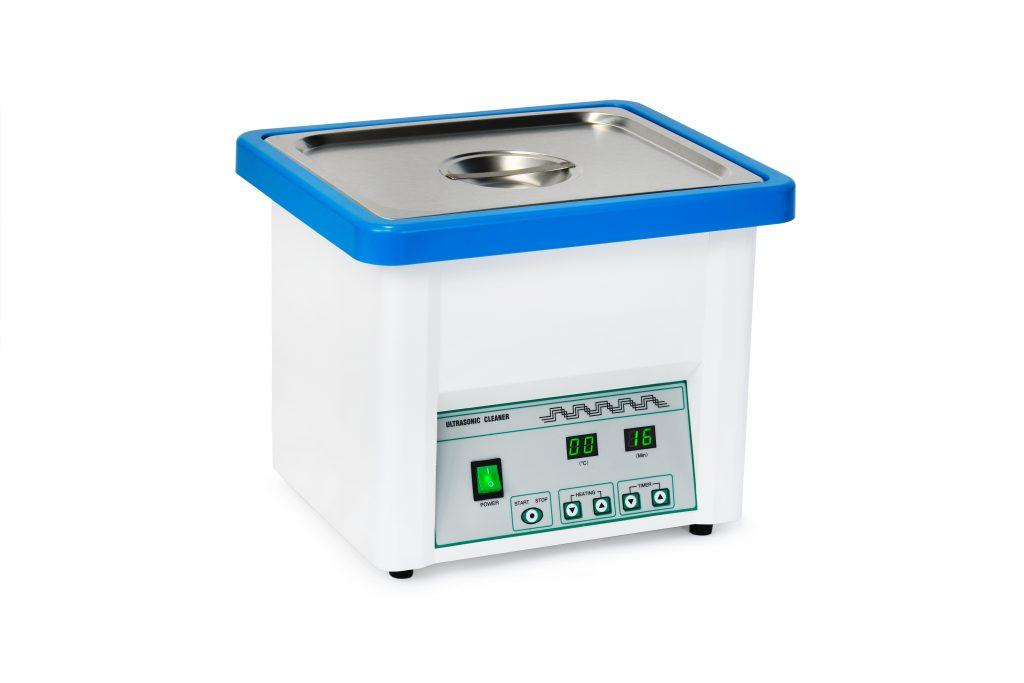
At Excel Healthcare, we supply ultrasonic cleaners for cleaning compatible reusable instruments before further processing. Cleaning, inspection and sterilisation are separate stages.
What Is Manual Cleaning?
Manual cleaning means cleaning instruments by hand using a suitable detergent and equipment in accordance with a documented procedure and the instrument manufacturer’s instructions. In primary care dentistry in England, HTM01-05 accepts manual cleaning within essential quality requirements, while preferring automated and validated processes wherever possible.
Advantages of Manual Cleaning:
-
Lower initial equipment cost, while still requiring suitable facilities, cleaning equipment, protective measures and training
-
Simple and accessible for small-scale setups
Disadvantages of Manual Cleaning:
-
Results depend heavily on the operator and the procedure followed
-
Controls are needed to prevent cross-contamination
-
Greater risk of sharps injury than automated cleaning methods
-
Intricate surfaces can be difficult to clean and inspect
Residual soil can interfere with sterilisation after any ineffective cleaning process. Inspect instruments after cleaning and re-clean those with remaining contamination.
What Is Ultrasonic Cleaning?
An ultrasonic cleaner uses high-frequency sound waves in a cleaning solution to create bubbles that collapse in a process called cavitation. This action helps loosen debris from compatible instruments, including some intricate surfaces.
Results depend on instrument compatibility, correct loading, the cleaning solution and the cycle specified by the manufacturer. Ultrasonic cleaning does not guarantee that every surface is clean or that an incompatible instrument will be undamaged.
Advantages of Ultrasonic Cleaning:
-
Intricate instruments — can help clean compatible instruments with hinges or fine details
-
Less manual brushing — can reduce some handling, but safe loading, unloading and inspection are still needed
-
Repeatable settings — support a consistent documented process when the equipment is maintained and tested
-
Cleaning before sterilisation — helps remove debris before a suitable sterilisation process where required
-
Part of a decontamination process — requires appropriate validation, testing, training and maintenance; equipment alone does not establish compliance
Disadvantages:
-
Higher initial equipment cost than a manual-cleaning setup
-
Requires suitable solution, correct loading, cleaning, testing and maintenance according to the manufacturer’s instructions
Where Ultrasonic Cleaning Fits in the Process
For primary care dentistry in England, HTM01-05 prefers a washer-disinfector. It also describes ultrasonic cleaning as a cleaning method, or as an additional stage before a washer-disinfector, particularly for compatible instruments with hinges or intricate parts.
An ultrasonic cleaner must be used as part of a documented process, with appropriate validation, testing, maintenance and visual inspection. It does not guarantee removal of every trace of contamination, and it does not sterilise instruments.
For official guidance, see the NHS HTM 01-05: Decontamination in Primary Care Dental Practices (PDF).
Choosing the Right Ultrasonic Cleaner
When selecting an ultrasonic cleaner, consider:
-
Tank and basket space: Check that compatible instruments fit the usable basket without overloading or overlap
-
Instrument compatibility: Check the instrument manufacturer’s instructions, especially for handpieces and delicate instruments
-
Cycle and solution: Use the time, temperature and solution specified for the equipment and instruments
-
Testing and maintenance: Confirm the required checks, service arrangements and supporting instructions before purchase
Explore Excel Healthcare’s ultrasonic cleaners and check the listed features against your instruments and cleaning process. Confirm compatibility and the required operating, testing and maintenance instructions before ordering.
Cleaning, Inspection and Sterilisation
A suitable decontamination process includes the stages required for the instruments and their intended use:
-
Clean using a suitable documented method; ultrasonic cleaning is one option for compatible instruments
-
Rinse and inspect for cleanliness, condition and function; re-clean instruments with residual soil
-
Prepare, package and sterilise where required, using a suitable process and the relevant manufacturers’ instructions
The equipment, loading method and cycle must suit the instruments being processed. Using an ultrasonic cleaner and an autoclave together does not by itself establish compliance; training, validation, testing, records and maintenance also matter.
FAQs About Ultrasonic Cleaning
Can ultrasonic cleaners replace autoclaves?
No. Ultrasonic cleaning removes debris; it does not sterilise. Reusable instruments that require sterilisation still need a suitable sterilisation process after cleaning, following the manufacturer’s instructions.
How often should I change the ultrasonic cleaning solution?
Follow the cleaner and cleaning-solution manufacturers’ instructions. For primary care dentistry in England, HTM01-05 says to change the solution when heavily contaminated or at the end of each clinical session. Keep the bath clean and maintain it as instructed.
Can I clean delicate instruments ultrasonically?
Only where the instrument manufacturer confirms compatibility. Use the specified loading method and settings. Dental handpieces should not be cleaned ultrasonically without manufacturer confirmation.
Do I need to dry instruments before autoclaving?
Follow the instrument and steriliser manufacturers’ instructions for the intended load and packaging. HTM01-05 specifies drying instruments before wrapping for vacuum sterilisation; it also advises prompt sterilisation after cleaning. Avoid treating drying as one universal rule for every process.
Final Thoughts
Manual and ultrasonic cleaning both need suitable procedures, trained staff and checks on the results. An ultrasonic cleaner can support cleaning of compatible instruments, but inspection and any required sterilisation remain separate stages.
If you are selecting a Class B autoclave, check that its validated cycles are suitable for your instrument and packaging loads, and follow the instrument and steriliser manufacturers’ instructions.